When a cryptic clue turns a simple definition into a puzzling riddle, solvers must decode layers of wordplay, an art that separates casual hobbyists from championship contenders. Understanding the mechanisms behind anagrams, homophones, and hidden words not only accelerates completion times but also deepens appreciation for the craft—much like the meticulous brushstrokes of a miniature‑painting service that transforms raw figures into storytelling pieces.
Why Wordplay Defeats the Unprepared
Crossword constructors employ a repertoire of linguistic tricks to conceal answers. A clue such as “Quietly, a bird may be found in the yard (5)” hides the answer LYRIC inside “quietly” (a synonym for “soft”) and “bird” as a definition. Newcomers often stall because they treat each clue as a straightforward definition, overlooking the hidden structure that signals a puzzle’s deeper intent.
Scenario 1: The Novice Facing a Cryptic Grid
Imagine a solver who has mastered standard American‑style clues but now confronts a cryptic crossword. The primary hurdle is recognizing indicator words—terms like “scrambled,” “reversed,” or “silently”—that cue a transformation. A practical solution is to maintain a personal cheat sheet of common indicators and practice them in isolation before applying them to full grids. This targeted approach converts the overwhelming “mystery” into a series of manageable sub‑tasks.
Scenario 2: The Veteran Tournament Player
Even seasoned solvers encounter time‑pressured puzzles where every second counts. Here, selection criteria revolve around clue‑type prioritization. An experienced player might first scan the grid for anagram indicators, solve those swiftly, then move to homophones, which often demand external knowledge. By allocating mental resources in a hierarchical fashion, the solver reduces cognitive load and preserves speed without sacrificing accuracy.
Scenario 3: The Editor Crafting a Balanced Puzzle
Publishers aim to blend difficulty levels, ensuring that both beginners and experts remain engaged. An effective criterion for puzzle design is the distribution of wordplay types: allocating roughly 30 % anagrams, 25 % hidden words, 20 % charades, and the remainder to puns or reversals creates a rhythm that prevents monotony. This balance mirrors the careful composition of a miniature painting, where varied textures keep the viewer’s eye moving.
Practical Toolkit for Decoding Wordplay
- Indicator Library – Compile a spreadsheet of common cryptic signals, updating it with new discoveries from weekly puzzles.
- Pattern Recognition Drills – Use blank clue templates (“[Indicator] + [Definition]”) to train rapid identification.
- Audio‑Cue Practice – For homophones, record yourself saying potential answers aloud to catch subtle sound matches.
- Cross‑Reference Database – Maintain a personal list of obscure words that frequently appear in clue construction.
Implications for the Future of Crossword Solving
As puzzle designers integrate increasingly sophisticated linguistic twists, solvers who master wordplay will command a distinct advantage in both casual circles and formal competitions. Moreover, the analytical habits honed through deciphering clues—pattern spotting, linguistic flexibility, and strategic time management—translate to broader problem‑solving contexts, from academic research to data analysis. In this way, unraveling the mystery of wordplay becomes more than a pastime; it evolves into a transferable skill set.
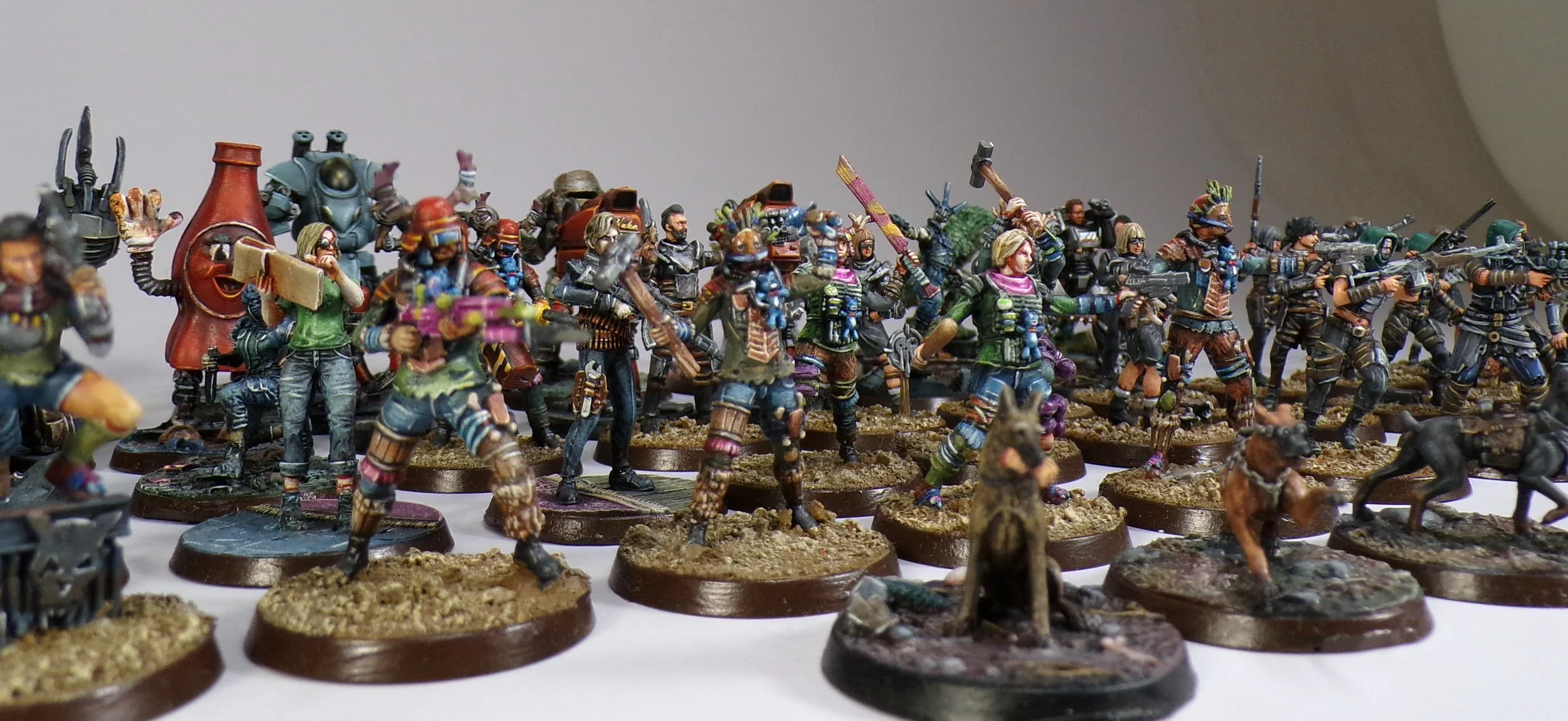
Some Fallout Wasteland Warfare Miniature Painting Service — Paintedfigs
.jpg)
Some Fallout Wasteland Warfare Miniature Painting Service — Paintedfigs ...
