Active‑duty service members receive a compensation package that blends base salary, allowances, and a range of performance‑linked bonuses; grasping how each element interacts is essential for anyone tasked with optimizing military earnings.
What are the core components of active‑duty pay?

The foundation is the **basic pay** determined by rank and years of service, published annually in the Defense Finance and Accounting Service tables. On top of that, service members receive **allowances** such as Basic Allowance for Housing (BAH) and Basic Allowance for Subsistence (BAS), which vary by duty location, dependents, and cost‑of‑living indices.
Beyond these, **special and incentive pays** address hazardous duties, language proficiency, or technical training. Each is codified in the Joint Travel Regulations, ensuring that eligibility criteria are uniformly applied across branches.
How do bonuses influence total earnings?

Bonuses are discretionary but strategically targeted. The **Recruitment Bonus** (often called a sign‑on bonus) compensates for gaps in critical occupational specialties. Its amount is tiered; for example, a cyber‑security specialist may receive a higher lump sum than a logistician, reflecting market demand.
Retention bonuses, such as **Continuation Pay**, reward sailors and airmen who elect to extend their service beyond the standard contract. The Department of Defense calculates these payouts by applying a percentage to projected base pay over a defined period, typically 36 months.
In addition, **Performance‑Based Increases** (PBIs) adjust base pay annually based on evaluation scores. High performers can anticipate a modest upward shift, whereas average scores maintain the status quo.
When should a service member consider opting into a specific bonus?
Decision points hinge on career trajectory, personal circumstances, and fiscal goals. Researchers often model three scenarios:
- Short‑term commitment: If a member plans to separate before an incentive period expires, a sign‑on bonus may outweigh the long‑term earnings from continuation pay.
- Mid‑career pivot: Individuals transitioning to a high‑need field (e.g., unmanned aerial systems) should evaluate the differential between the new specialty’s base pay and any supplemental bonuses.
- Long‑term service: For personnel aiming to reach senior enlisted or officer ranks, accumulating retention bonuses can substantially augment retirement pay calculations.
Financial planners recommend running a net‑present‑value (NPV) analysis to compare immediate cash inflows against projected salary growth, adjusting for inflation and potential deployment hardship differentials.
What are the implications for budgeting and retirement planning?
Understanding each pay element allows precise forecasting of disposable income. For example, BAH is tax‑free, which can be leveraged to increase savings rates without altering gross earnings. Conversely, bonuses are taxable, so after‑tax values should be factored into budgeting spreadsheets.
Retirement benefits, calculated on the highest 36 months of base pay, are directly influenced by the accumulation of special pays and bonuses. Service members who strategically time their incentive pay can raise their final pension multiplier, yielding a larger monthly annuity.
What steps should a researcher take to stay current?
- Subscribe to the official Defense Finance website for quarterly updates to pay tables.
- Monitor branch‑specific announcements for new incentive programs, especially those linked to emerging technology fields.
- Consult the Annual Military Compensation Survey, which provides comparative data on allowance adjustments across geographic regions.
- Utilize the Department of Defense’s online calculator to simulate the impact of bonuses on total compensation.
By systematically dissecting each component and applying scenario‑based analysis, active‑duty personnel can transform a complex compensation structure into a clear, actionable financial roadmap.
What's So Funny About Peace And Love & Understanding? - Get Real Post
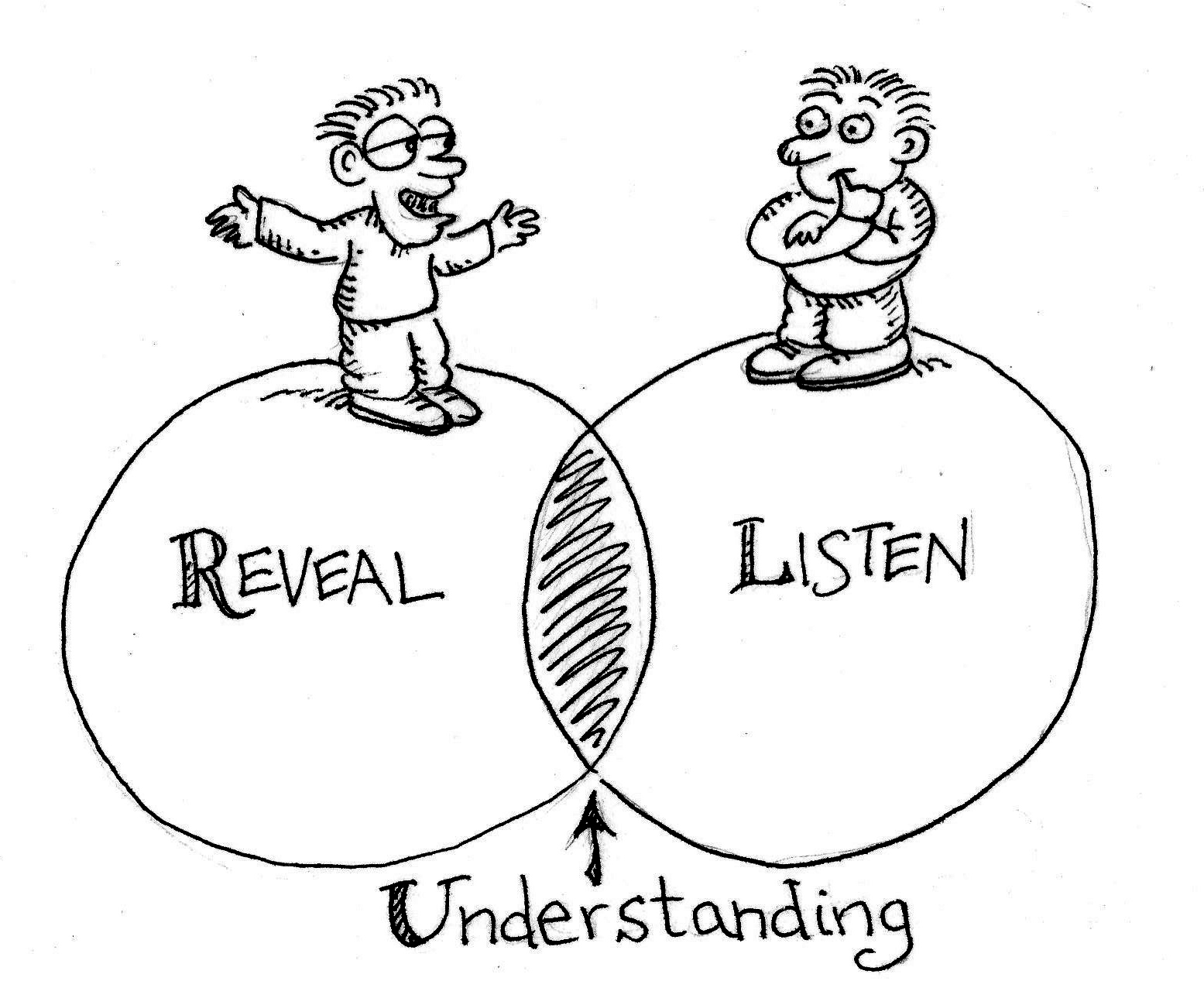
What's So Funny About Peace and Love & Understanding? - Get Real Post
Understanding - Free Of Charge Creative Commons Tablet Dictionary Image

Understanding - Free of Charge Creative Commons Tablet Dictionary image
Understanding - Free Of Charge Creative Commons Handwriting Image

Understanding - Free of Charge Creative Commons Handwriting image
