The American Quarter Horse Association (AQHA) transfer forms are the official bridge that moves ownership from one rider to another, ensuring every horse’s lineage, health, and registration details are accurately reflected. For buyers and sellers alike, mastering these documents is essential to avoid costly mistakes and protect investment.
Background: Why Transfer Forms Matter
When a horse changes hands, its AQHA registration must be updated to reflect the new owner. The Transfer Form (TX) is the vehicle for this change. It captures key data—race record, pedigree, health certificates, and any special conditions—so that the AQHA database remains consistent and reliable. Without a properly completed TX, the horse’s record could be misfiled, leading to registration disputes, eligibility issues for shows, or even legal complications.
Step‑by‑Step: How the Transfer Process Works
- Gather Information. Collect the seller’s current registration number, the buyer’s name, and any relevant health or performance documents.
- Complete the Form. Use the official AQHA PDF or online portal. Each section demands exact details—missing a sire’s name or a race record can trigger a delay.
- Submit with Fees. A small processing fee accompanies the TX. Pay via the AQHA’s accepted methods or through the horse’s sale platform.
- Verification. The AQHA reviews the submission. If any data is inconsistent, they’ll flag it for correction.
- Confirmation. Once approved, the new registration appears in the database, and the buyer receives a stamped copy.
Pros and Trade‑offs for Buyers and Sellers
- Pros for Buyers: A clean transfer guarantees the horse’s pedigree is verified, protects future breeding value, and ensures show eligibility.
- Pros for Sellers: Completing the TX properly preserves the horse’s resale value by preventing record confusion.
- Trade‑off: Time. The verification step can take up to 10 business days; sellers who rush the sale may find their horse’s registration still in flux.
- Trade‑off: Cost. While the fee is modest, additional costs may arise if supplemental documents (e.g., health certificates) are required.
Realistic Expectations: What to Anticipate
Many owners assume the transfer is instantaneous, but the AQHA’s database updates only after internal review. Plan a buffer of 2–3 weeks between sale and official record change, especially if the horse is slated for a show or breeding program. If discrepancies arise—such as a typo in a sire’s name—resolve them promptly with the AQHA customer service to avoid extended delays.
Practical Tips for a Smooth Transfer
- Double‑check spelling and dates before submission.
- Keep a copy of the signed TX and any supporting documents in both paper and digital format.
- Use the AQHA’s online portal if possible; it flags missing fields in real time.
- Inform the buyer that the registration number will change; this can affect future resale or breeding paperwork.
- After approval, update any related documents—e.g., racing cards, health records—to reflect the new owner’s name.
Conclusion: Protect Your Investment with Accuracy
Understanding AQHA Transfer Forms isn’t just bureaucratic housekeeping; it safeguards the horse’s value, health history, and competitive eligibility. By following the outlined steps, anticipating potential delays, and double‑checking details, buyers and sellers can close a sale confidently, knowing the horse’s official record will accurately reflect its new ownership. The effort invested today preserves market integrity and future opportunities for both parties.
Understanding The Mind Through Puzzle Pieces In A Creative Illustration

Understanding the mind through puzzle pieces in a creative illustration ...
What Is Understanding? Empathy, Insights, Connection!

What is Understanding? Empathy, Insights, Connection!
Communication Understanding Each Other Thin Line Stock Vector (Royalty

Communication Understanding Each Other Thin Line Stock Vector (Royalty ...
Understanding
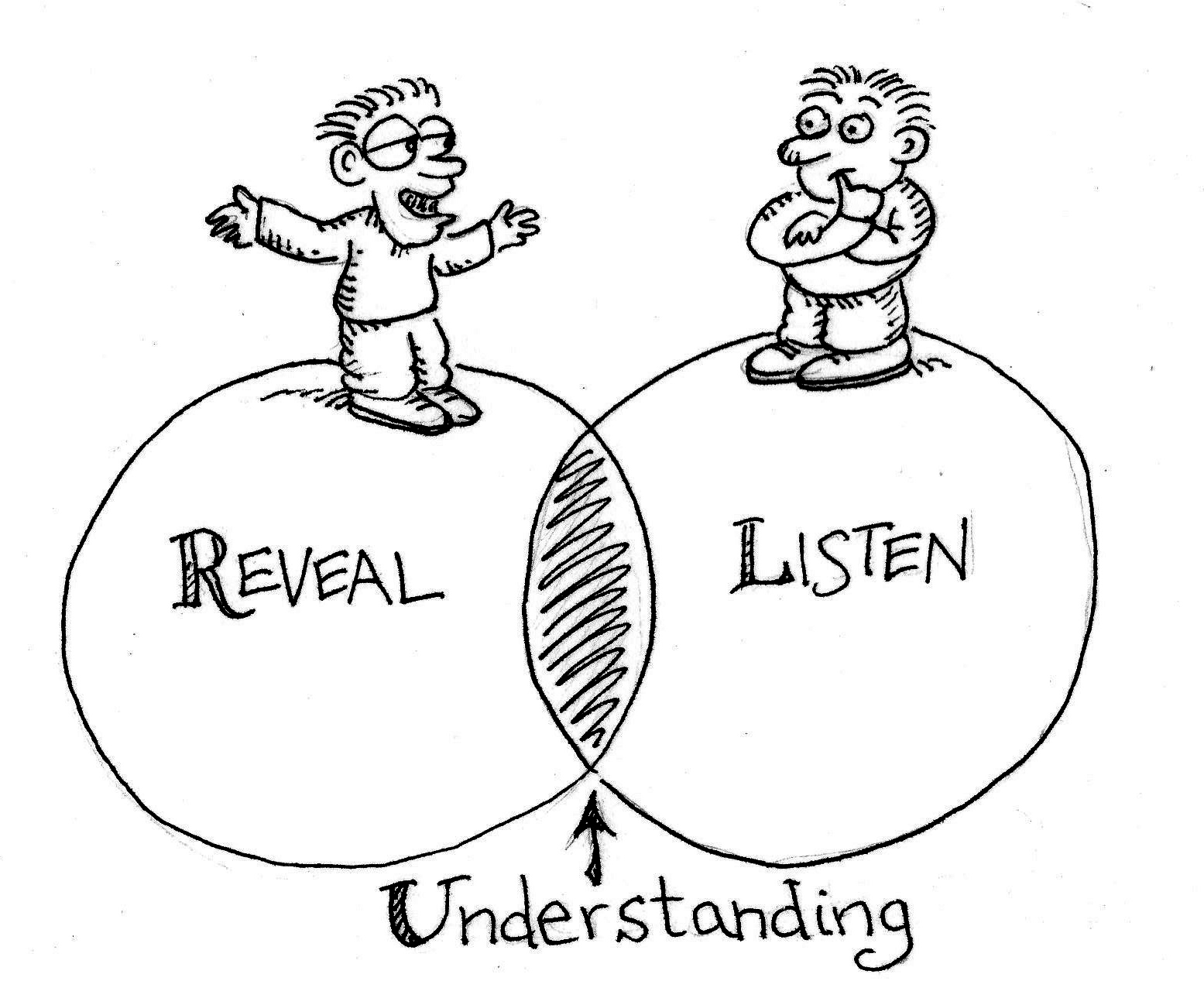
Understanding
Opiniones Osce

Opiniones Osce
