Figurative language is a powerful tool in communication, enabling us to convey complex ideas, emotions, and imagery in a way that captivates and resonates with our audience. However, understanding and effectively using figurative language can be challenging, especially for students and young writers. This is where a well-designed anchor chart comes into play, serving as a visual guide to facilitate learning and mastery of figurative language concepts. In this article, we will explore the importance of anchor charts in teaching figurative language and provide practical guidance on designing a flawless figurative language anchor chart.
Understanding the Role of Anchor Charts in Figurative Language Instruction
Anchor charts are visual tools used in classrooms to support instruction and reinforce student learning. They can be particularly effective in teaching figurative language, as they help students visualize and organize the various concepts and devices that fall under this broad category. By creating a comprehensive and accessible anchor chart, educators can provide their students with a valuable resource that enhances understanding, promotes active learning, and fosters a deeper appreciation for the power of language.
Effective anchor charts for figurative language should be clear, concise, and visually appealing, incorporating examples and illustrations that make abstract concepts more tangible and engaging. They might include definitions and explanations of literary devices such as metaphors, similes, personification, and hyperbole, along with examples from literature or everyday speech that demonstrate how these devices are used in context.
Designing Your Anchor Chart: Tips and Considerations
Designing a flawless figurative language anchor chart requires careful consideration of both content and presentation. The chart should be organized in a logical and easy-to-follow manner, with clear headings and sections that differentiate between various types of figurative language. Incorporating images can also enhance the learning experience, making the chart more engaging and helping students to better remember key concepts.

When selecting examples to include on the chart, it's essential to choose ones that are relevant and relatable to your students' lives. This could involve using quotes from popular books, lyrics from familiar songs, or even references to current events or social media trends. By making the content more accessible and interesting, you can increase student engagement and motivation to learn.
Implementing and Refining Your Anchor Chart
Once your anchor chart is designed, it's crucial to implement it effectively in your teaching practice. This involves not only displaying the chart prominently in the classroom but also referencing it regularly during lessons and discussions. Encourage students to consult the chart when they encounter figurative language in their reading or writing, and provide opportunities for them to contribute to the chart by suggesting additional examples or insights.
As with any educational tool, it's also important to be open to refinement and revision. Solicit feedback from students and colleagues, and be willing to make adjustments to the chart as needed. This could involve adding new sections, updating examples to keep them current, or modifying the design to better meet the needs of your learners.
By following these guidelines and consistently using and refining your anchor chart, you can create a valuable resource that supports the development of strong literacy skills and a deeper appreciation for the versatility and expressiveness of language.
Ultimate Frisbee Disc
Ultimate Frisbee Disc
Jonathan Hickman And Bryan Hitch Team Up For New Ultimate Marvel Comic
:max_bytes(150000):strip_icc()/Ultimate-Invasion-022123-04-90bd12d1babc465188d46affac58053a.jpg)
Jonathan Hickman and Bryan Hitch team up for new Ultimate Marvel comic
HUAWEI WATCH Ultimate 2 - HUAWEI Hrvatska
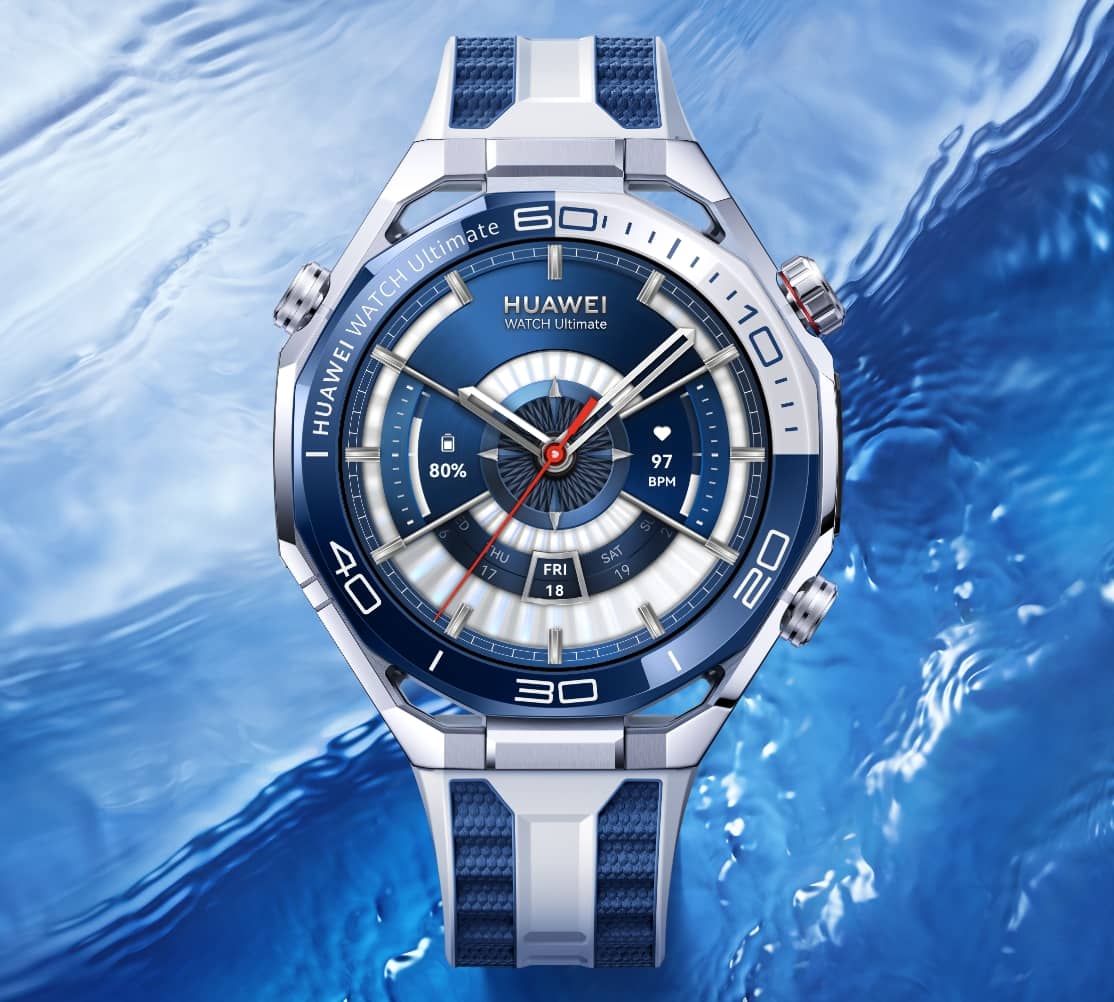
HUAWEI WATCH Ultimate 2 - HUAWEI Hrvatska
