Veteran puzzlers have long reported that the Daily Washington Post Crossword, though celebrated for its clean construction, often becomes a stumbling block after the first dozen clues. A new compilation of expert strategies—drawn from seasoned setters, longtime solvers, and educational research—offers a systematic path to confidence, promising to transform daily frustration into steady progress.
Understanding the Core Challenge
Even experienced hobbyists encounter three recurring obstacles: hidden theme patterns, misleading wordplay, and time‑pressure habits developed from quick‑solve routines. The Washington Post’s editorial team favors “minimalist” clues, meaning the answer must be inferred from subtle associations rather than overt definitions. This approach rewards lateral thinking, which can feel unintuitive after years of solving more straightforward grids.
Strategy #1 – Decode the “Hidden Theme” Before the First Fill
Most daily puzzles embed a faint thematic thread, often revealed through a set of related entries. Instead of diving straight into the first Across, scan the entire grid for repeated word families or unusual abbreviations. For example, a series of clues referencing “river” or “bank” may hint at a financial theme that influences several answers.
Strategy #2 – Prioritize “Rebus‑Ready” Clues
Rebus squares—entries that occupy a single cell with multiple letters—appear more often than many realize. Identify clues that use words like “combined,” “together,” or “paired” early on. Solving a rebus early unlocks intersecting answers and reduces the need for guesswork later in the puzzle.
Strategy #3 – Apply the “Reverse‑Definition” Technique
When a clue feels too vague, flip the usual definition‑answer relationship. Ask, “If the answer were the definition, what clue would fit?” This mental inversion often surfaces hidden synonyms that the setter intended but did not explicitly state. Practicing this on a single clue per puzzle gradually rewires your solving instinct.
Step‑by‑Step Walkthrough: A Real‑World Example
- Survey the grid. Locate any long Across entries (8+ letters) and note repeated letters.
- Identify potential rebus cells. Mark any clue that hints at “combined” or “joint.”
- Search for a thematic anchor. If two or three entries share a semantic field, draft a provisional theme.
- Use reverse‑definition. For a troublesome clue, write the opposite phrase and see if it fits the intersecting letters.
- Fill the easiest words first. Complete all short, unambiguous entries to create a scaffold for the tougher ones.
Implications for the Crossword Community
Adopting these expert tips does more than boost individual scores; it nurtures a culture of deliberate problem‑solving. When solvers share their methodologies on forums and social media, the collective knowledge base expands, prompting the Washington Post to experiment with even richer clueing styles. In turn, new enthusiasts gain confidence, ensuring the daily crossword remains a staple of American wordplay for years to come.
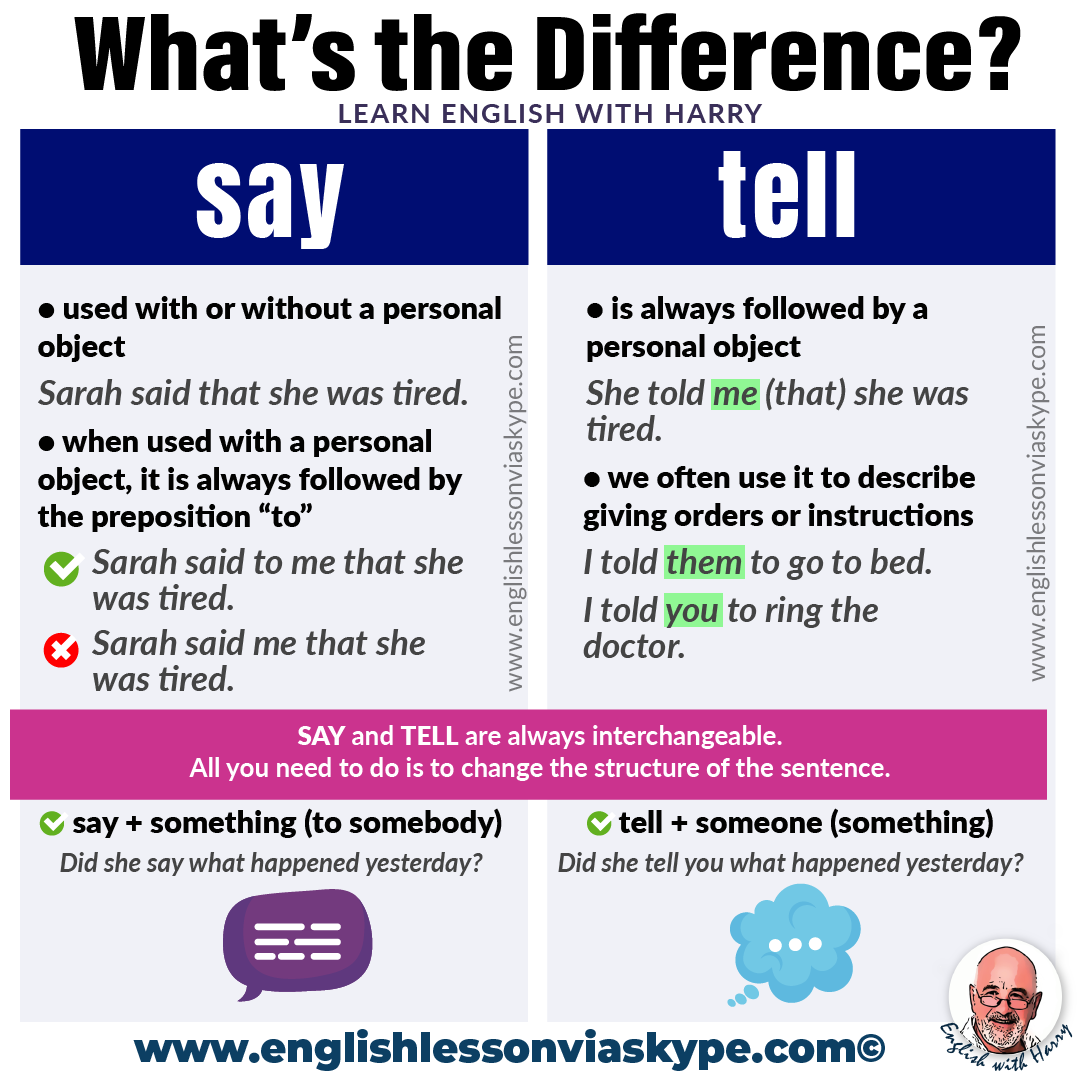
Say Vs Tell Difference - 04

Say Vs Tell Difference - 04
Say Please And Thank You Clipart
Say Please And Thank You Clipart
Do They Say Y All In Arizona At Rita Pablo Blog

Do They Say Y All In Arizona at Rita Pablo blog
Super - Don't Say Vs Say #fblifestyle #learnenglish | Facebook

Super - Don't Say vs Say #fblifestyle #learnenglish | Facebook
