When growers and chefs look beyond traditional color combos, green pairings—whether between vegetables, herbs, or even soil organisms—can unlock unexpected flavor depth, disease resistance, and market value. Yet many miss these opportunities by following entrenched practices that limit diversity and profit.
Rethinking Green Pairings: From Tradition to Innovation
Classic vegetable rotations—cabbage after beans, lettuce beside carrots—are rooted in labor‑saving routines, not in scientific optimization. Modern research shows that pairing green crops with complementary microbes, insects, or unexpected companion plants can increase yields by up to 30 % while reducing pesticide reliance.

Typical Pitfalls
- Monoculture mindsets: Planting the same greens together assumes uniform growth but encourages pest buildup.
- Ignoring soil fauna: Overlooking beneficial green worms eliminates a natural fertilizer source.
- Flavor tunnel vision: Focusing solely on visual contrast neglects aromatic synergy.
Smarter Alternatives That Deliver Value
By integrating unconventional green partners, growers can create resilient ecosystems that appeal to value‑focused buyers seeking sustainability and taste.
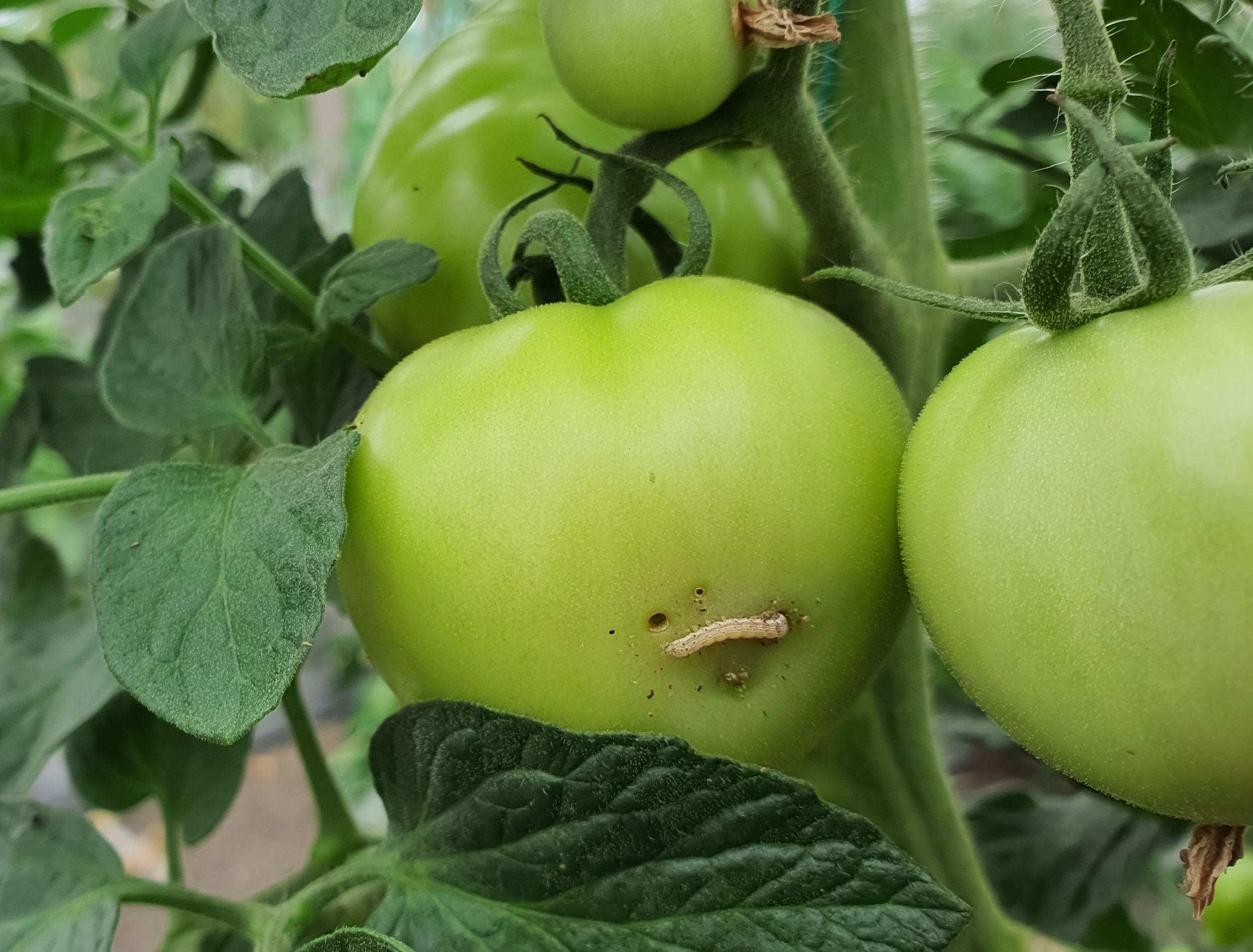
- Worm‑enhanced compost: Introducing small green worms—seen in the garden image below—into compost bins accelerates breakdown of organic matter, enriching soil nutrients for leafy greens.
- Herb‑berry mixes: Planting basil alongside strawberries adds a protective aromatic barrier while imparting subtle herb notes to the fruit.
- Leafy‑legume intercropping: Pairing kale with nitrogen‑fixing peas reduces fertilizer costs and produces a combined harvest that commands premium prices at farmers’ markets.
Immediate Steps for Practitioners
- Map existing green crops and identify gaps where a complementary partner could thrive.
- Introduce a starter culture of composting worms to any organic matter pile.
- Trial a single unconventional pairing on a 10 % plot before scaling up.
Implications for the Market and the Environment
Buyers increasingly reward growers who demonstrate ecological stewardship. Unpredictable green pairings not only differentiate product lines but also lower input costs. For restaurants, sourcing vegetables cultivated with biodiversity‑friendly methods allows menu storytelling that resonates with eco‑conscious diners.
Adopting these strategies can reduce pesticide applications by an estimated 25 %, aligning operations with emerging regulatory trends and consumer expectations. The cumulative effect—higher yields, richer flavors, and greener branding—translates into tangible revenue growth for growers willing to experiment beyond the familiar.
How To Get Rid Of Little Green Worms On Roses - Bithflowers.com
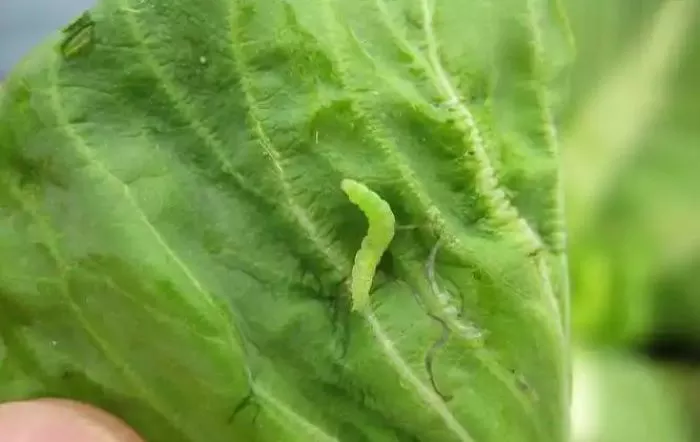
How to Get Rid of Little Green Worms on Roses - Bithflowers.com
Green Worms In Garden
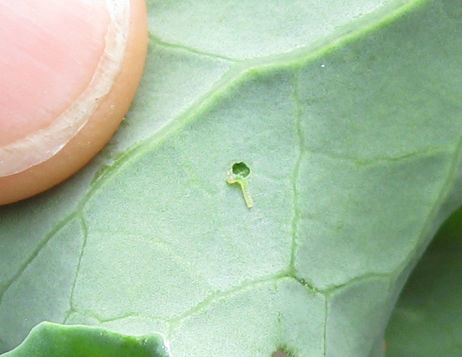
Green Worms In Garden
Green Worms On Ceiling | Shelly Lighting
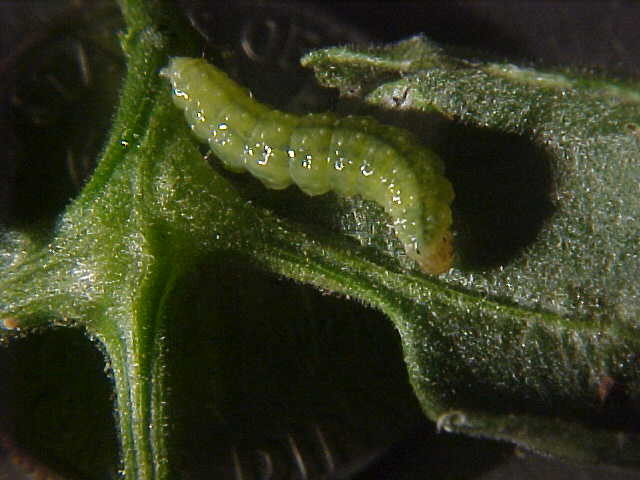
Green Worms On Ceiling | Shelly Lighting
