Bubble letters have leapt from street murals to social‑media feeds, inviting newcomers to transform simple text into lively, three‑dimensional art. Thanks to inexpensive supplies and free tutorials, anyone can begin experimenting today and, with practice, progress toward professional‑grade renderings.
Why Bubble Letters Captivate Creators
The bold, rounded forms of bubble lettering convey playfulness while remaining legible, making them ideal for logos, T‑shirts, and digital graphics. Their versatility allows artists to blend graffiti flair with classic calligraphy, bridging a gap between street culture and mainstream design. As more influencers showcase their work, demand for fresh, personalized typography continues to rise, turning a hobby into a viable skill.
Getting Started: Essential Tools and Materials
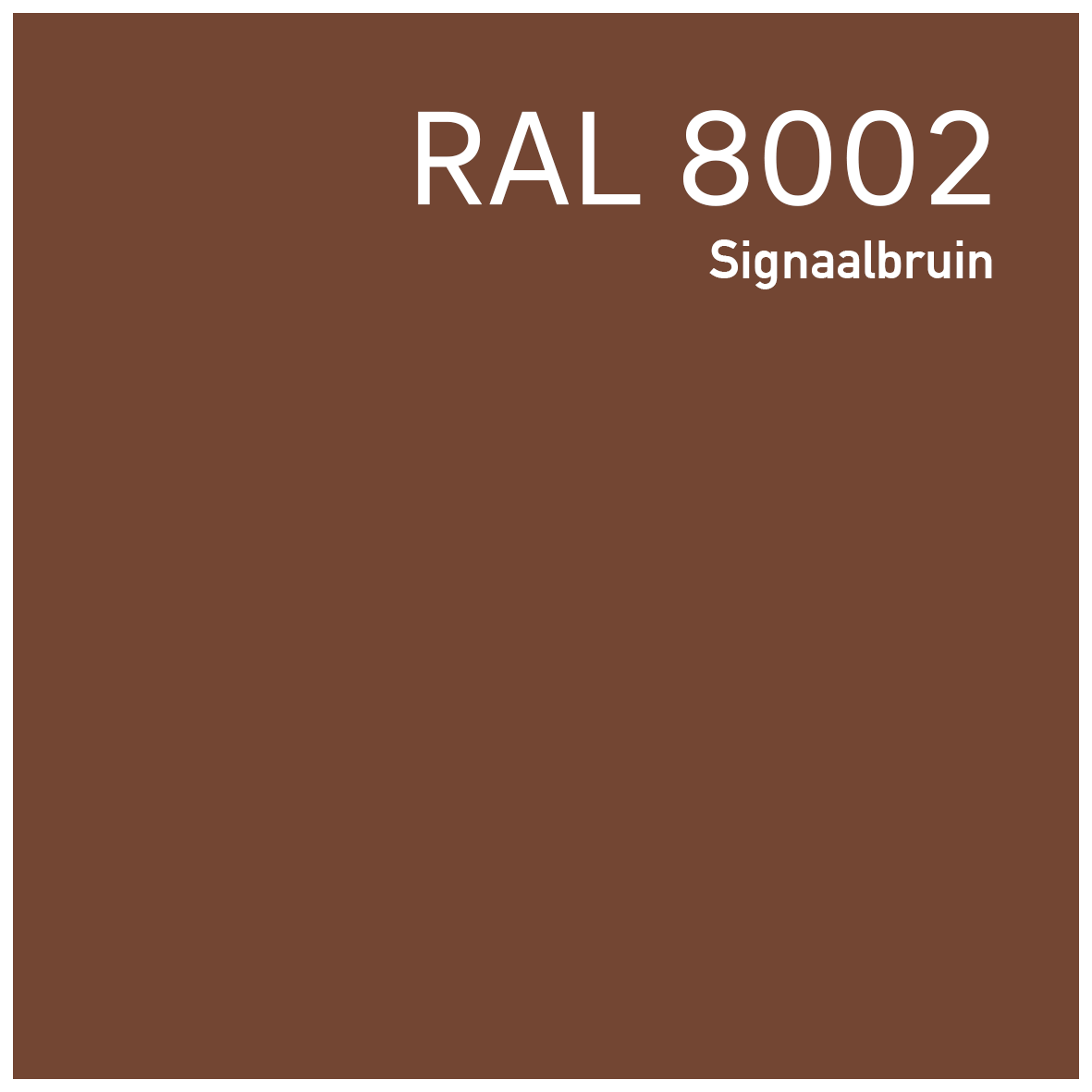
For a beginner, the barrier to entry is lower than most graphic pursuits. A sturdy sketchbook, a set of fine‑point markers, and a basic palette of acrylic paints are enough to begin. Many artists favor RAL 8002 Signal Brown—its warm, earthy tone adds depth without overwhelming the composition. Choosing the right paint early on influences how shadows and highlights will later interact with the letterforms.

Step‑by‑Step: Sketching Your First Bubble Letter
- Outline the base shape. Lightly draw a sans‑serif capital letter, then trace a parallel outline ¼ inch outward to create the “bubble” border.
- Round the corners. Soften every intersection with a small circular motion, ensuring the letter retains a soft, inflatable feel.
- Divide the interior. Sketch subtle curves inside the bubble to suggest where light will hit and where shadows will settle.
- Apply a base coat. Using a thin wash of RAL 8002, fill the letter’s interior, letting the pigment settle before adding highlights.
Elevating Technique: Shadows, Highlights, and Color Theory
Once the basic shape is in place, depth emerges through careful shading. A darker hue—such as a charcoal gray—can be brushed along the lower arcs, while a white or pale yellow highlights the upper curves, mimicking a single light source. Incorporating complementary colors, like a muted teal background, accentuates the brown base and makes the lettering pop.
Where to Share Your Work and Keep Growing
Platforms such as Instagram’s “#bubbleletters” tag and niche forums on Reddit provide instant feedback and inspiration. Engaging with a community exposes novices to diverse styles—from minimalistic monochrome to vibrant, layered compositions—prompting iterative improvement. Regular challenges, like “Weekly Letter” prompts, encourage disciplined practice and help bridge the gap from hobbyist to expert.
Future Trends: Digital Integration and Beyond
Advances in vector software and augmented‑reality filters are expanding bubble lettering into new media. Artists now blend hand‑drawn sketches with digital refinement, enabling scalable logos and interactive animations. As tools evolve, the core skill—understanding form, light, and color—remains the foundation that turns a curious beginner into a confident creator.
RAL 8002 Signal Brown Tinned Paint
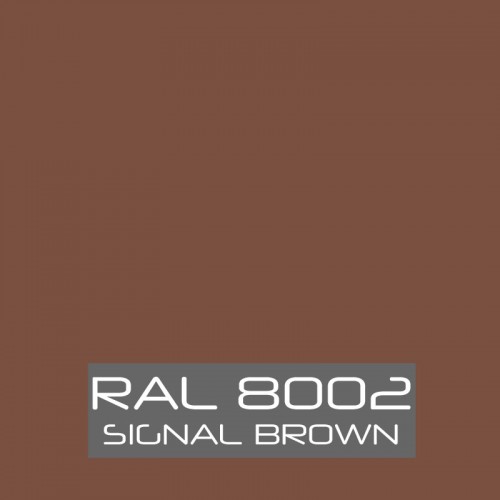
RAL 8002 Signal Brown tinned Paint
RAL Signal Brown [RAL 8002] Color In RAL Classic Chart
![RAL Signal brown [RAL 8002] Color in RAL Classic chart](https://hextoral.com/swatch-book/ral-classic/ral-8002.png)
RAL Signal brown [RAL 8002] Color in RAL Classic chart
RAL 8002 Signal Brown Pigment

RAL 8002 Signal Brown Pigment
RAL 8002 - Signal Brown | One Stop Colour Shop
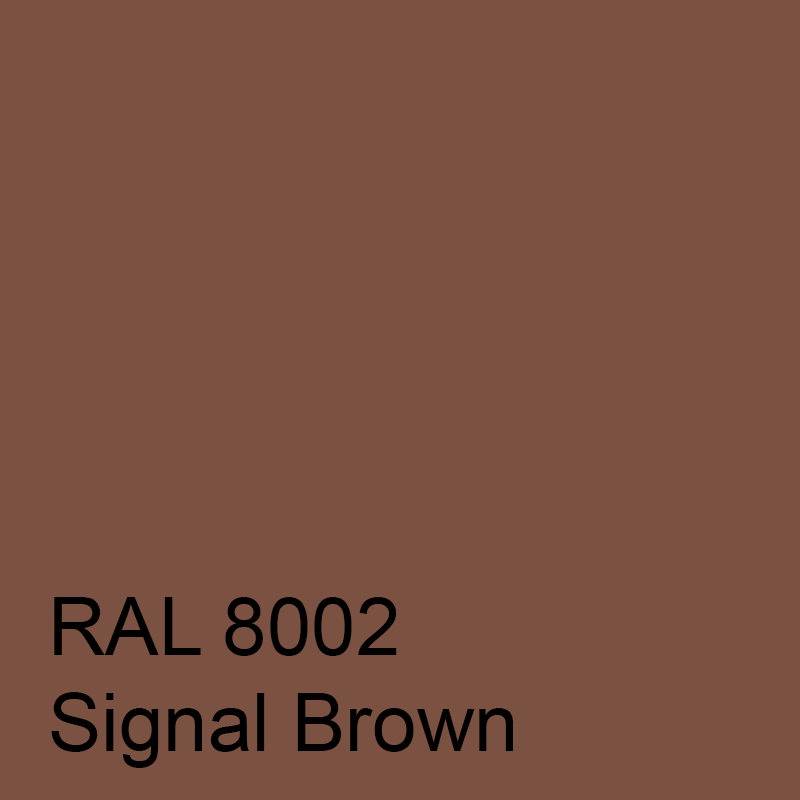
RAL 8002 - Signal Brown | One Stop Colour Shop
