For seasoned ham operators and field‑day enthusiasts, the first hurdle in mastering radio chatter often isn’t the equipment but the alphabet soup of phonetic codes. A printable NATO (North Atlantic Treaty Organization) chart turns that barrier into a quick‑reference tool, letting you translate “Alpha Bravo” into “AB” without missing a beat. Today’s guide walks you through why a simple sheet of paper can become the backbone of clear, error‑free communication on every band.
Why a Printable NATO Chart Belongs in Every Radio Kit
When you’re swapping QSO reports or coordinating a net, a slip of the tongue can cascade into a garbled transmission. The NATO phonetic alphabet—Alpha, Bravo, Charlie, etc.—was designed for exactly that scenario: to ensure each letter is unmistakable, even over noisy channels. A printed chart eliminates guesswork, especially when you’re juggling a handheld transceiver, a notebook, and a headset. It’s also a low‑cost compliance measure for clubs that require standardized lingo during emergencies.
Step‑by‑Step: Creating a Printable NATO Reference
1. Choose the layout. Most hobbyists favor a single‑page, landscape format that fits neatly in a radio pouch. Columns for “Letter,” “Code Word,” and “Common Usage” (e.g., “Alpha – A – Used for A‑band calls”) keep the chart readable at a glance.
2. Source the official list. The official NATO alphabet is public domain; copy it from any reputable military or aviation website to avoid typographical errors.
3. Add hobby‑specific notes. Include reminders such as “QRM – Interference” or “QRN – Natural noise” alongside the phonetic entries. This hybrid approach turns the chart into a mini‑cheat sheet for both letters and QR codes.
4. Print on durable material. Photo‑paper or laminated cardstock resists water and wear, crucial for field days or storm‑chasing nets.
5. Test it live. During a routine check‑in, pull the chart, read a call sign aloud, and confirm the counterpart receives it correctly. Adjust font size if needed; readability at 15‑foot distances matters.
Real‑World Scenario: Emergency Net Coordination
Imagine a local tornado warning net where multiple agencies converge on a single frequency. One operator, new to the scene, needs to relay a location: “Delta‑Echo‑Sierra‑Hotel, 5 miles north.” Without a chart, the “Delta” could be misheard as “Delta” or “Delta‑Echo” could become “Del‑Echo.” The printable NATO sheet, clipped to the console, allows the operator to confirm each word before speaking, reducing the risk of a delayed response.
Beyond the Chart: Integrating NATO Lingo Into Your Routine
- Pre‑QSO Checklist: Include “phonetic verification” as a line item before logging a contact.
- Digital Logs: Many logging software packages let you embed the NATO list for quick copy‑paste into notes.
- Training Drills: Run weekly “alphabet drills” where participants spell call signs using the chart, reinforcing muscle memory.
Implications for the Amateur Radio Community
Adopting a printable NATO reference isn’t just about personal convenience; it standardizes communication across clubs, contests, and emergency services. When every participant shares the same phonetic baseline, the collective signal‑to‑noise ratio improves, and the chance of miscommunication drops dramatically. This subtle shift can make the difference between a successful disaster‑response net and a fragmented one.
Getting Started Today
Download a free template from any major ham radio forum, print on laminated stock, and slip it into your next field‑day bag. Within a single session you’ll notice smoother call‑sign exchanges and fewer “did‑you‑say‑that?” moments. For hobbyists who already know their way around a transceiver, the printable NATO chart is the next logical upgrade—a tiny piece of paper that turns chaotic chatter into crystal‑clear conversation.
Blackpink Member Lisa Covers Vogue Japan October 2024 Issue

Blackpink Member Lisa Covers Vogue Japan October 2024 Issue
Pick Up Your Free Poster Of AnOther Magazine Cover Star Lisa | AnOther

Pick Up Your Free Poster of AnOther Magazine Cover Star Lisa | AnOther
LISA For Vogue Japan October 2024 – BLACKPINK CAFÉ

LISA for Vogue Japan October 2024 – BLACKPINK CAFÉ
Lisa Hartman, Star Magazine 23 April 1985 Cover Photo - United States
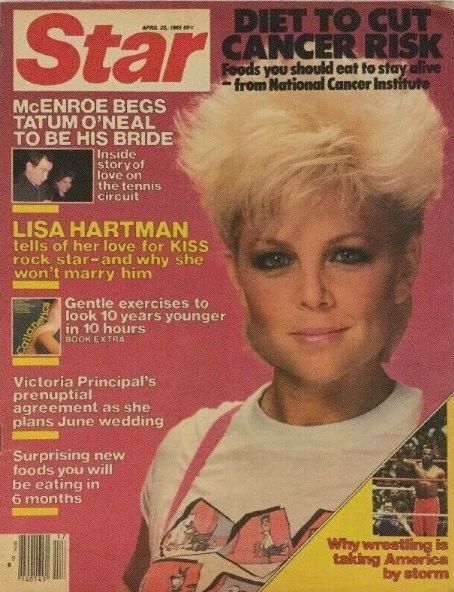
Lisa Hartman, Star Magazine 23 April 1985 Cover Photo - United States
Your Favorite Lisa's Magazine Covers? - K-POP - Allkpop Forums

Your favorite Lisa's magazine covers? - K-POP - allkpop forums
